November 14, 2026
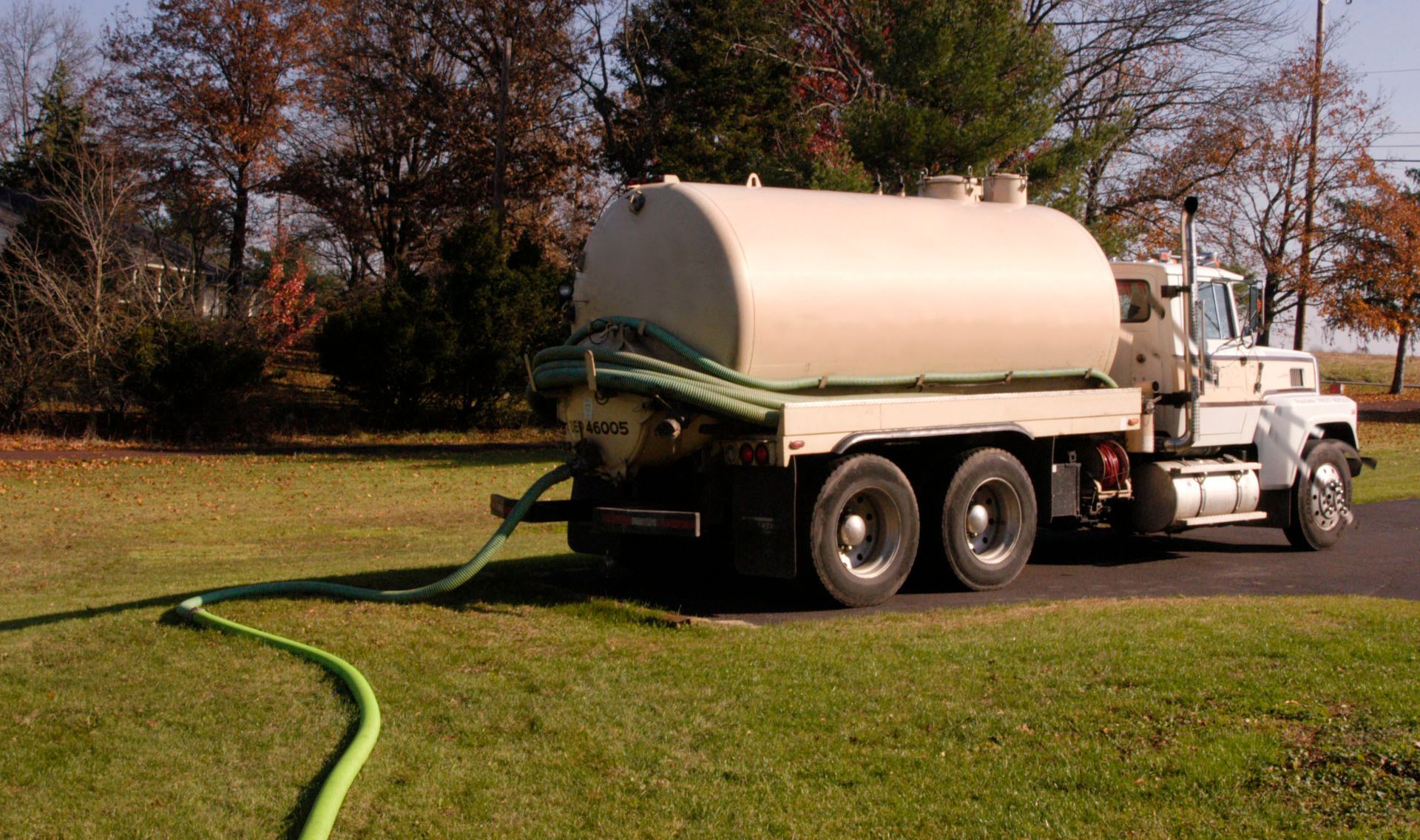
A septic system plays an important role in managing household wastewater, but it requires consistent attention to keep operating properly. Wastewater from sinks, showers, toilets, and appliances flows into the septic tank, where solid materials separate from liquids. Over time, sludge and floating scum accumulate inside the tank, reducing the space available for wastewater storage and treatment. Without routine maintenance, this buildup can interfere with normal operation and contribute to problems throughout the property. Homeowners may not notice an issue immediately because many septic system problems develop gradually beneath the ground. However, once symptoms become noticeable, repairs can become more complicated and disruptive. Regular septic tank pumping helps remove accumulated waste before it creates conditions that affect the tank, drain field, or plumbing system. Understanding the common problems that routine maintenance can prevent makes it easier to protect the system and avoid unexpected complications.
Preventing Tank Overflows and Wastewater Backups
One of the most noticeable problems associated with an overloaded septic system is wastewater backing up into the home. As sludge and scum accumulate, the tank has less available capacity to receive and separate incoming wastewater. When the system becomes overloaded, wastewater may have difficulty flowing through the tank and into the drain field as intended. This can cause toilets, sinks, bathtubs, and floor drains to drain slowly or back up entirely. In difficult situations, sewage may enter the home, creating unpleasant odors and unsanitary conditions. Routine septic tank pumping removes accumulated solids and helps maintain the capacity needed for normal wastewater flow. Homeowners should pay attention to warning signs such as gurgling pipes, multiple slow drains, or sewage odors near plumbing fixtures. Addressing these concerns early can help reduce the likelihood of an inconvenient and potentially expensive backup.
Reducing the Risk of Drain Field Damage
The drain field is responsible for receiving wastewater from the septic tank and allowing it to filter through the surrounding soil. When too much solid waste leaves an overloaded tank, those materials can enter the drain field and clog the soil or distribution components. This interference can prevent wastewater from dispersing properly, causing liquid to collect near the surface. Homeowners may notice soggy areas, unusually green grass, or unpleasant odors around the drain field. Continued exposure to excess wastewater can place additional stress on the system and potentially lead to significant damage. Regular septic tank pumping helps limit the amount of accumulated solids that can move beyond the tank and reach the drain field. Protecting this part of the system is important because drain field repairs or replacement can involve extensive work. Proper maintenance supports the overall wastewater treatment process and helps preserve the function of the entire septic system.
Limiting Unpleasant Odors Around the Property
Persistent sewage odors can make outdoor spaces uncomfortable and may indicate that a septic system needs attention. These smells can develop when waste accumulates beyond the tank's intended capacity or when wastewater is not moving through the system correctly. Odors may be noticeable near the septic tank, drain field, plumbing fixtures, or other areas around the property. In some cases, unpleasant smells inside the home may point to plumbing or ventilation concerns connected to the septic system. Although odors do not always mean the tank is full, they should not be ignored when accompanied by slow drains or wet ground. Scheduled septic tank pumping helps control solid waste buildup and supports normal tank operation. Homeowners should also avoid pouring grease, oils, and inappropriate household products down drains because these materials can interfere with septic system performance. If odors persist, a professional inspection can help identify the source and determine whether additional service is necessary.
Preventing Costly Plumbing Complications
A septic system and a home's plumbing network work together to move wastewater away from living spaces. When the septic tank cannot accept or process wastewater efficiently, plumbing fixtures may begin showing signs of trouble. Drains can become sluggish, toilets may require repeated flushing, and pipes may produce bubbling or gurgling sounds. These symptoms can sometimes be mistaken for isolated plumbing clogs, even when the underlying issue involves the septic tank. Ignoring the warning signs may allow pressure and wastewater flow problems to become more severe. Consistent septic tank pumping helps prevent excessive solid accumulation from interfering with the system's normal operation. Homeowners should also be mindful of what enters their drains, since wipes, sanitary products, paper towels, and other non-biodegradable materials can contribute to blockages. Paying attention to plumbing changes and arranging maintenance when needed can help prevent minor concerns from turning into larger service problems.
Protecting Soil and Surrounding Groundwater
A properly maintained septic system helps treat household wastewater before it moves into the surrounding soil. When a tank becomes overloaded or a drain field stops functioning correctly, untreated or inadequately treated wastewater may reach areas where it should not. This can create unsanitary conditions around the property and potentially affect nearby groundwater. Contamination concerns are especially important when private wells, gardens, or natural water sources are located near a septic system. Excessive solids in the tank can contribute to drain field problems that interfere with the soil's ability to filter wastewater. Routine septic tank pumping removes accumulated sludge and scum, helping reduce the risk of solids moving into downstream components. Homeowners should also avoid driving heavy vehicles over the drain field or planting trees with invasive roots nearby. Combining appropriate system use with scheduled maintenance helps protect the property and the surrounding environment.
Avoiding Unexpected Septic System Expenses
Neglecting septic maintenance can lead to expenses that extend well beyond the cost of routine service. When accumulated waste causes backups, drain field damage, or other system failures, homeowners may need more extensive repairs. Some problems also require excavation, replacement components, or restoration of affected areas around the property. These situations can disrupt daily routines and create additional costs if wastewater enters a home or damages landscaping. Planning maintenance gives homeowners a better opportunity to address the system before serious symptoms appear. According to HomeAdvisor, septic tanks generally need to be pumped every three to five years, although the appropriate schedule can vary based on household size, tank capacity, and water usage. Regular septic tank pumping can help homeowners manage maintenance costs more predictably while reducing the chance of preventable failures. Keeping service records and discussing the system's condition with a qualified professional can also help determine when future maintenance should be scheduled.
Maintaining Better Septic System Performance
Good septic system habits work alongside professional maintenance to support reliable performance. Homeowners should use water efficiently because excessive water entering the tank can overwhelm the system and interfere with wastewater treatment. Fixing leaking faucets and running toilets can reduce unnecessary water flow into the tank. It is also important to keep grease, cooking oils, harsh chemicals, and non-biodegradable materials out of household drains. These substances can disrupt the natural processes inside the tank or contribute to blockages. Spreading laundry loads throughout the week instead of running several consecutive cycles can help prevent sudden increases in wastewater volume. Routine inspections allow professionals to evaluate the tank, identify developing concerns, and recommend appropriate maintenance. When homeowners combine responsible daily practices with scheduled septic tank pumping, they can help extend the useful life of their systems and reduce avoidable disruptions.
Schedule Reliable Septic Maintenance
A well-maintained septic system helps protect household plumbing, outdoor spaces, and the surrounding environment. Waiting until a backup or unpleasant odor appears can make maintenance more difficult and increase the possibility of costly repairs. Got to Go Portable Restrooms can be contacted to discuss service needs and determine whether its available services are appropriate for your property. Keeping track of maintenance intervals and responding to warning signs can help homeowners stay ahead of potential septic problems. If you are unsure when your tank was last serviced, arranging a professional assessment is a practical place to start. Contact us to learn more about available services and take the next step toward responsible property maintenance, including determining whether septic tank pumping is needed.